
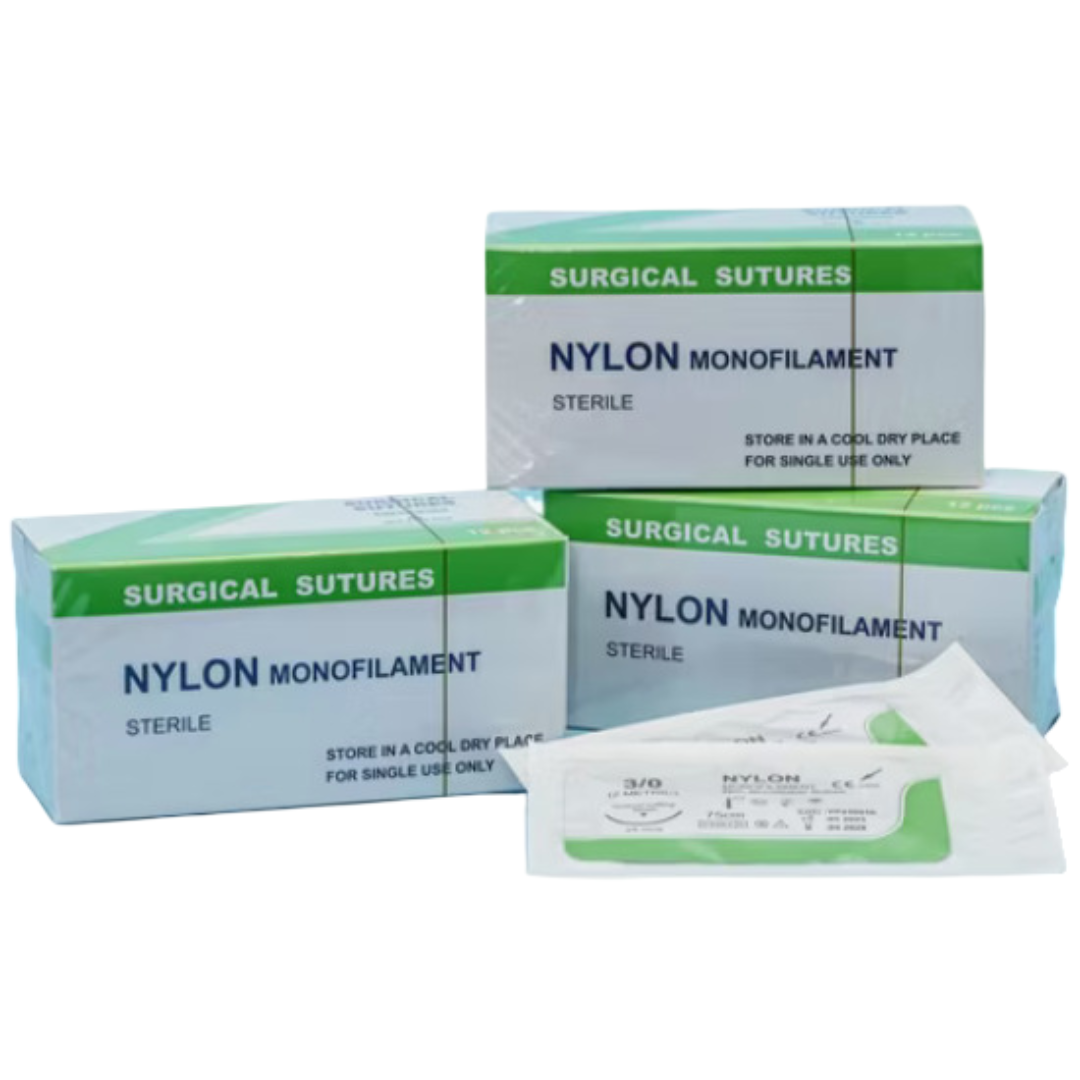
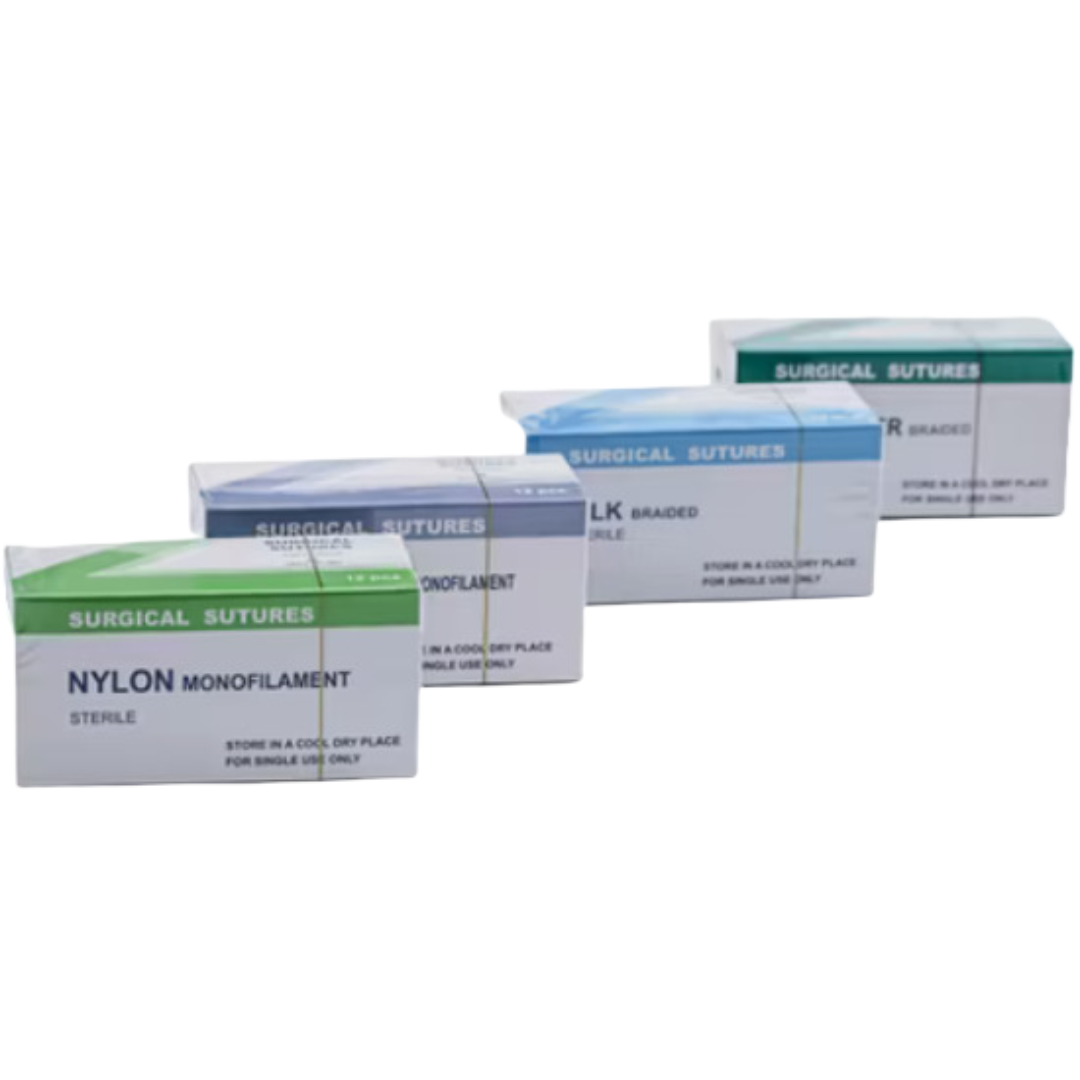
Absorbable/Non-Absorbable Monofilament Surgical Suture

Harmonized System (HS) 90183220 specifically refers to hollow metal needles used for injection, aspiration, biopsy, and transfusion. Easier Way produces sutures designed to hold wounds or cuts together until they heal, available with or without surgical needles attached.
Non-Absorbable Monofilament Sutures
These sutures are made of materials that are permanently walled off by the body’s tissue and must be manually removed after the wound heals.
- Examples: Common materials include Nylon (polyamide) and Polypropylene (like Prolene). These are known for their smooth passage through tissue and low infection risk, though they may have lower knot security than braided types.
- Use Cases: Tissues that heal slowly (e.g., fascia, tendons), cardiovascular surgery, ophthalmic procedures, and skin reconstruction.
Absorbable Monofilament Sutures
These are designed to break down naturally in the body over a specific period and do not require manual removal.
- Examples: Materials may include PDS (Polydioxanone) or Monocryl (Poliglecaprone 25) which are synthetic absorbable monofilaments used for applications where temporary support is needed.
- Use Cases: General surgery, gynecological procedures, and tissues that heal quickly.
Key Features
- Structure: The “monofilament” structure means the suture is a single, smooth strand, which generally leads to less tissue drag and a lower risk of harboring bacteria compared to braided (multifilament) sutures.
- Sterilization: The sutures are typically sterilized using ethylene oxide (EO) or gamma radiation.
- Packaging: They are individually packed, often in foil, to maintain sterility.
- Needle Types: Available with various types of surgical needles (e.g., round-bodied, curved cutting, reverse cutting) to suit different surgical needs.
- Sizes: Available in various USP sizes, ranging from fine threads like 8/0 up to stronger threads like size 2.
Related products
Medical Consumables
Medical Consumables
Medical Consumables
Medical Consumables
Medical Consumables
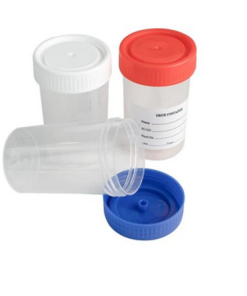
Medical Consumables
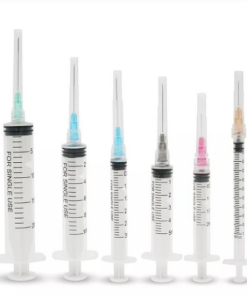
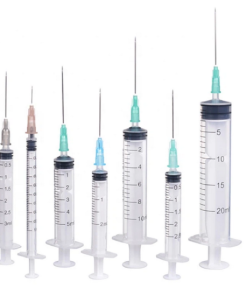
Medical Consumables
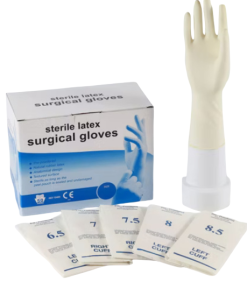
Medical Consumables