
Human Pulse Oximeter

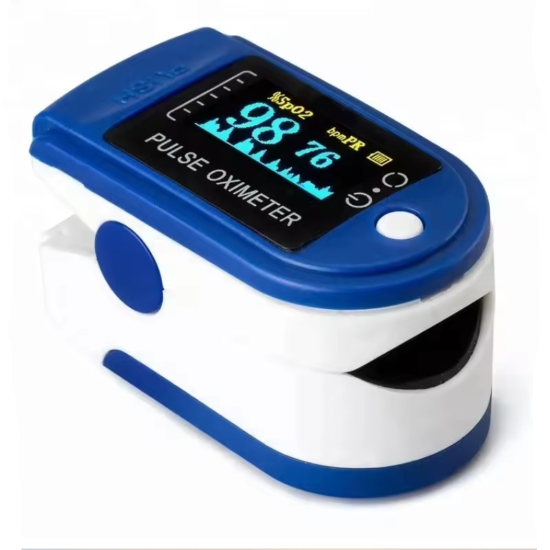
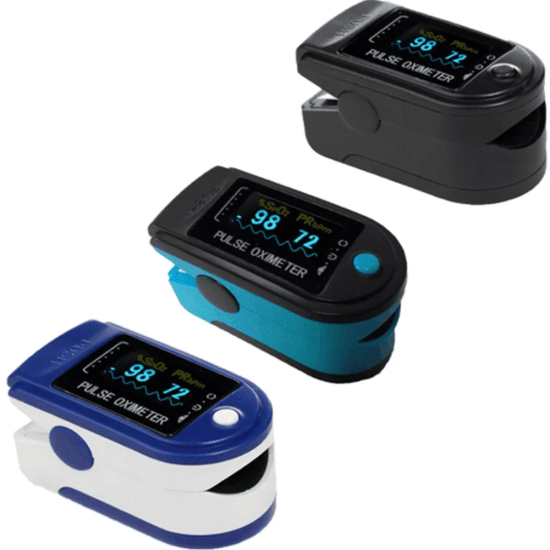
A SpO2 Pulse Oximeter is a non-invasive medical device used to estimate the amount of oxygen in the blood, specifically the peripheral oxygen saturation (SpO2), and the pulse (heart) rate. It is a crucial, painless tool for monitoring respiratory and cardiac health in various settings, from hospitals to homes.
Types of Pulse Oximeters
Pulse oximeters come in various forms for different needs:
- Fingertip Oximeters: The most common, compact, and portable type for quick, spot checks at home.
- Handheld Oximeters: Often used in clinical settings; they have a separate probe and a main display unit and may offer more advanced features.
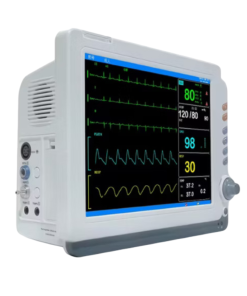
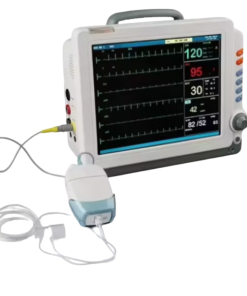
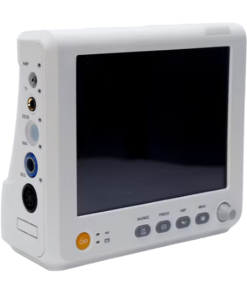
- Tabletop/Benchtop Oximeters: Designed for continuous monitoring in hospital settings, featuring larger displays, alarm functions, and robust design.
- Wearable/Phone-Based Oximeters: Devices like smartwatches or clip-ons that connect to a smartphone app for fitness tracking and remote monitoring.
Factors Affecting Accuracy
To ensure an accurate reading, it is important to follow manufacturer instructions. Factors that can cause inaccurate results include:
- Nail Polish/Artificial Nails: Can block the light beams used for measurement.
- Poor Circulation/Cold Hands: Reduced blood flow to the extremities can affect the signal strength.
- Movement: Excessive movement during the measurement can disrupt the reading.
- Dark Skin Pigmentation: Pulse oximeters may sometimes be less accurate on individuals with darker skin tones.
Related products
Medical Devices
Medical Devices
Medical Devices
Medical Devices
Medical Devices
Medical Devices
Medical Devices
Medical Devices