
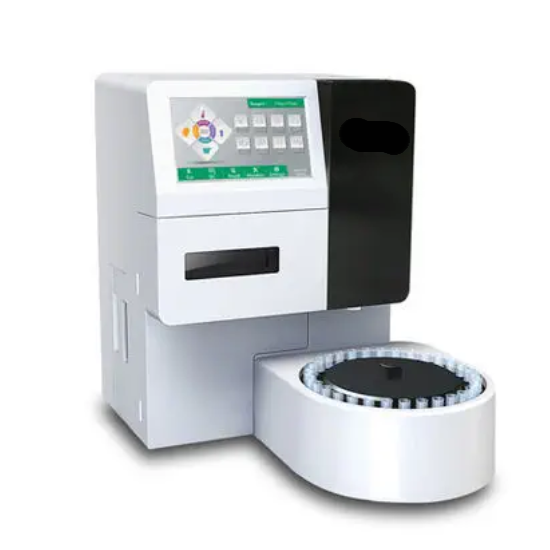
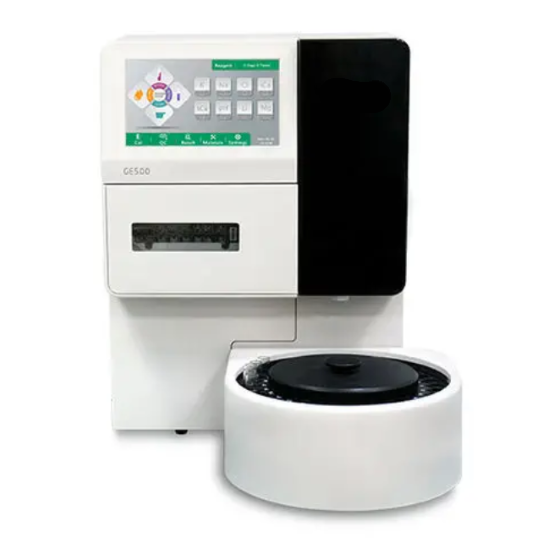
Body Fluids Electrolyte Analyzer
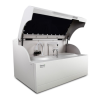
The GE500 Electrolyte Analyzer is a laboratory instrument used to measure the concentration of key electrolytes in patient blood (whole blood, serum, plasma) and urine samples. This information is vital for medical diagnosis and monitoring a patient’s overall health condition.
Purpose and Function
The GE500 and similar electrolyte analyzers play a critical role in healthcare:
- Diagnosing Imbalances: They provide rapid and accurate measurements of electrolytes, which are essential minerals (ions) that help maintain fluid balance, nerve function, muscle activity (especially heart function), and the body’s acid-base balance (pH). Imbalances can indicate serious conditions like kidney disease, heart failure, or dehydration.
- Monitoring Patient Health: The analyzer is used to track electrolyte levels in patients with chronic diseases (like diabetes or hypertension) or those recovering from surgery, burns, or other acute conditions.
- Guiding Treatment: The results from the analyzer help healthcare professionals make informed decisions about patient care, such as fluid replacement, medication adjustments, or other life-saving interventions.
Measured Analytes: The GE500 typically measures concentrations of the following ions:
- Sodium (Na+Na raised to the positive power Na+)
- Potassium (K+K raised to the positive power K+)
- Chloride (Cl−Cl raised to the negative power Cl−)
- Ionized Calcium (Ca2+Ca raised to the 2 plus power Ca2+)
- pH
- TCO2 (Total Carbon Dioxide)
The analyzer uses Ion-Selective Electrode (ISE) technology to directly measure ion activity in samples, providing results that accurately reflect the patient’s condition. This model is designed for use in small to medium-sized clinical laboratories due to its efficiency and automated operation.
Related products
Medical Machines
Medical Machines
Medical Machines
Medical Machines
Medical Machines

Medical Machines

Medical Machines
Medical Machines