

Microbiology Dehydrated Nutrient Agar

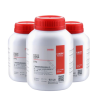
The Microbiology Dehydrated Nutrient Agar is a general-purpose culture medium used to cultivate, enumerate, and preserve a wide variety of non-fastidious bacteria and fungi in laboratory settings. It provides the necessary nutrients for the routine growth and maintenance of many common microorganisms.
Key Uses
This dehydrated nutrient agar is a staple in various fields of microbiology:
- Bacterial Cultivation: It supports the growth of a broad range of bacteria that do not have specific or complex nutritional requirements.
- Total Bacterial Count: It is widely used for determining the total number of bacteria in samples from various sources, including water, food, and environmental surfaces.
- Isolation and Purification: The solid agar surface allows for the isolation of individual colonies to obtain a pure culture, which is a crucial step before further biochemical or serological testing.
- Strain Preservation: The medium can be used in agar slant form for the long-term preservation and storage of bacterial strains.
- Quality Control & Environmental Monitoring: It is employed in pharmaceutical, food, and cosmetic manufacturing facilities to test for airborne bacteria, surface contamination, and general hygiene monitoring.
- Teaching and Demonstration: Due to its simple composition and ease of use, it is commonly used in educational environments for teaching basic microbiology techniques.
Composition
The dehydrated powder contains essential ingredients that provide a rich nutritional environment when prepared with distilled or deionized water:
- Peptone: A primary source of organic nitrogen, amino acids, and peptides.
- Beef Extract (or HM Peptone B): Provides essential water-soluble vitamins, carbohydrates, and trace minerals.
- Sodium Chloride (NaCl): Maintains the necessary osmotic balance within the medium.
- Agar: A solidifying agent derived from seaweed that provides a stable surface for growth but has no nutritional value.
Related products

Culture Media


Culture Media

Culture Media